Village Medical - Phoenix Central

Patient Advocate in Phoenix, Arizona
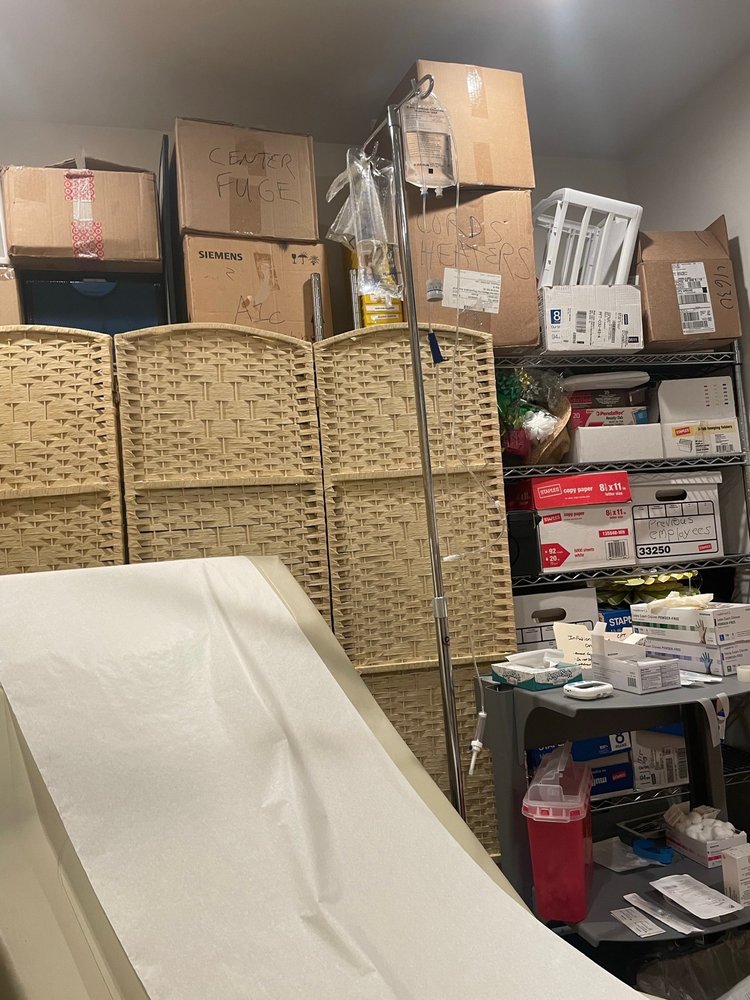
2.1(16 reviews)
(602) 258-5545345 E Virginia Ave, Phoenix, AZ 85004View on Yelp
Village Medical - Phoenix Central - patient advocate in Phoenix, AZ

Customer Reviews

2.1
out of 5
16 reviews

Based on Yelp ratings

Read reviews on Yelp

About Village Medical - Phoenix Central

Navigating insurance denials and medical billing disputes at Village Medical Phoenix Central can feel overwhelming, especially when you're already dealing with a health issue. Patient advocates working with this practice help patients cut through the administrative noise so they can focus on getting better. Whether your claim was denied, your explanation of benefits doesn't match what you were billed, or you're facing a surprise bill from a recent visit, an advocate can step in and start working through it with you.

Village Medical operates within a network of primary care and internal medicine providers, which means billing issues here often involve coordination between multiple payers, referral authorizations, and in-network verification problems. Advocates familiar with this environment know which codes get flagged most often and how to write an effective appeal that actually gets read. They'll also help you understand your rights under the No Surprises Act and Arizona state insurance regulations.

Services

Internal Medicine
Family Practice
Medical Centers

How Village Medical - Phoenix Central Helps You

Patient advocates at this location handle a full range of billing and insurance issues that come up with Village Medical Phoenix Central's internal medicine and family practice services. The most common work involves filing formal appeals for denied claims, including drafting medical necessity letters supported by clinical documentation from your treating physician. Advocates also assist with insurance pre-authorization disputes, where insurers have denied coverage for a service your doctor ordered. Beyond appeals, advocates help patients review and audit itemized bills for errors, which show up more often than most people expect. Duplicate charges, upcoded procedures, and unbundled services are common problems that can inflate a bill significantly. Advocates will request an itemized statement, compare it line by line against your EOB, and flag anything that doesn't add up. For patients dealing with chronic conditions managed through this practice, advocates can also help establish payment plans, apply for financial assistance programs, and negotiate balances directly with the billing department. If a dispute escalates, they'll prepare you for external review or file a complaint with the Arizona Department of Insurance on your behalf.

The Appeals Process

The process starts with a free intake call where the advocate reviews your situation and asks for the basic documents: your EOB, any denial letters, the itemized bill, and your insurance card. From there they'll assess whether you have a strong basis for an appeal, what kind of appeal makes sense, and roughly how long the process is likely to take. Once you move forward, the advocate drafts the appeal letter and coordinates with the practice's billing department to gather supporting clinical notes and authorization records. You'll review everything before it goes out. Most first-level appeals with commercial insurers get a response within 30 days. If the first appeal is denied, the advocate files a second-level appeal or requests an independent external review. Throughout the process you'll get updates at each key milestone. If a settlement or payment plan negotiation is on the table, the advocate walks you through the terms before you agree to anything. Nothing gets submitted without your sign-off.

Service Area

Patient advocates serving Village Medical Phoenix Central primarily work with patients in central Phoenix and the surrounding areas, including Midtown Phoenix, Encanto, and Camelback East. Consultations are available by phone or video, so patients across the greater Phoenix metro can get help regardless of whether they're near the practice location. Some advocates also serve patients in Scottsdale, Tempe, and Glendale.

Frequently Asked Questions

Can a patient advocate really get a denied claim overturned?
Yes, though it depends on the reason for the denial and the quality of the appeal. Claims denied for medical necessity are often successfully appealed when supporting clinical documentation is included. Administrative denials, like wrong codes or missing authorizations, have even higher reversal rates.
How long does a medical billing appeal take at Village Medical?
First-level internal appeals typically take 30 to 60 days with commercial insurers. Urgent appeals can be expedited in 72 hours or less. If the internal appeal fails and you move to external review, add another 30 to 45 days.
What if I already paid the bill?
You can still dispute it. If an error or wrongful denial is found, you're entitled to a refund. Advocates regularly help patients recover overpayments even after the bill has been settled.
Do I need to involve my doctor in the appeal?
Often yes, especially for medical necessity appeals. Your advocate will coordinate with the practice to gather clinical notes and, when needed, ask the treating physician to write a supporting letter. Most practices cooperate with this process.
What's the No Surprises Act and does it apply to my situation?
The No Surprises Act, which took effect in 2022, protects patients from unexpected out-of-network bills for emergency care and certain non-emergency services at in-network facilities. If you received a surprise bill at Village Medical, an advocate can assess whether the law applies and help you dispute it.
What if my insurer says the service wasn't covered under my plan?
That's one of the most common denial reasons, and it's worth appealing. Coverage determinations are sometimes wrong, and even when they're technically correct, there may be an exception process. An advocate will review your plan documents and look for any applicable exception pathways.
Is my conversation with a patient advocate confidential?
Yes. Patient advocates operate under confidentiality agreements, and sharing your medical or billing information with them doesn't affect your HIPAA protections. You'll typically sign a limited authorization allowing them to communicate with your insurer and provider on your behalf.
What should I bring to my first appointment with an advocate?
Bring your denial letter, explanation of benefits, itemized bill if you have one, your insurance card, and a brief written summary of what happened. The more documentation you have upfront, the faster the intake process goes.

Need to appeal an insurance denial right now?

MediAppeal generates AI-powered appeal letters that cite your insurer's own policy language, medical guidelines, and state insurance law. Get your appeal letter in 90 seconds.

Start Your Appeal

Other Patient Advocates in Phoenix, AZ

See all advocates in Phoenix

Patient Advocates in Nearby Cities

MediAppeal
Start Free Trial